
Key Home Insurance Riders You May Be Overlooking
Dan Kasteler | Jan 15 2026 22:00
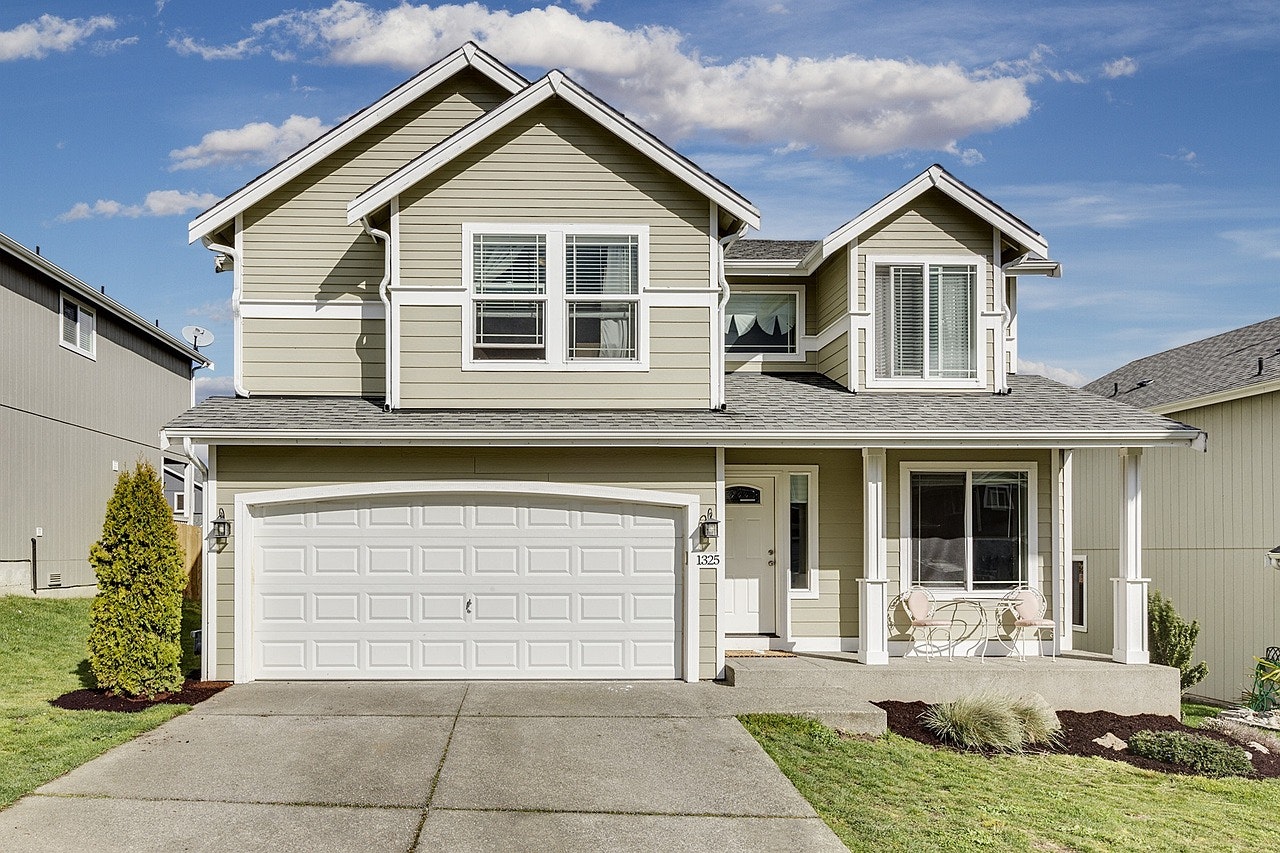
Most homeowners believe their insurance will step in for nearly any situation, only to discover during a claim that several significant risks require optional add-ons. These extra protections—often called riders, endorsements, or floaters—don’t always get the attention they deserve, yet they can be the difference between a manageable setback and a major financial hit.
With severe weather becoming more common, aging homes needing frequent updates, and more people working remotely or running side businesses from home, reviewing your policy regularly is essential. Many homeowners are surprised to learn that standard policies have limitations that leave gaps, especially for natural disasters, high‑value items, and modern home-based work setups.
Below are several important riders worth considering and why they may be a smart investment.
1. Flood insurance and water damage protection
Most standard homeowners insurance policies exclude damage caused by flooding that begins outside the home, as well as gradual water damage. If you live in or near a flood-prone area, having separate flood coverage is essential. In some cases, your mortgage lender may require it. But even outside high-risk zones, the growing severity of flooding makes this protection increasingly relevant.
Flood coverage is available through FEMA’s National Flood Insurance Program (NFIP), which averages around $899 per year and offers up to $250,000 in structural coverage and $100,000 for personal belongings. Private insurers may provide higher limits or more flexible payout options—something to consider if rebuilding costs in your area exceed government caps. Since about one in three flood claims occur outside designated flood zones, homeowners should not assume they’re safe simply because they’re not “in the floodplain.”
In addition to flood insurance, many families benefit from a water‑backup endorsement. This rider helps protect against damage from sewer backups, sump-pump failures, or groundwater intrusion—scenarios that are often excluded from both homeowners policies and flood insurance. These riders typically run $50–$250 annually and may offer $5,000–$25,000 in coverage. Because insurers distinguish between surface flooding and water backup, review the terms carefully so you understand how each situation is classified. Some insurers even offer small premium discounts for installing backflow preventers or sump pumps with battery backups.
2. Earthquake and seismic protection
Earthquake-related damage generally isn’t included in a standard policy unless you add a rider. While this coverage is most common in states with well‑known fault lines, tremors and soil shifting can affect homes in low‑ and moderate‑risk areas as well. Even a smaller seismic event can lead to structural or foundation damage that is expensive to repair.
Many insurance companies offer earthquake coverage as a separate policy or endorsement. In states like California, Washington, Oregon, and parts of the Midwest, this coverage is especially important. Earthquake deductibles typically range from 2%–20% of the insured value of your home. On a $500,000 home, that could mean a deductible of $10,000–$100,000—high, but still far less than the cost of repairing major structural displacement. Some policies also include coverage for emergency repairs and debris removal, helping reduce immediate out-of-pocket expenses after an event.
3. Building code and ordinance upgrade coverage
If a portion of your home is ever damaged and needs reconstruction, it must be brought up to current building standards—even if much of the home was originally built under older codes. Without the right coverage, these mandatory upgrades become the homeowner’s responsibility. A building code or ordinance rider helps absorb these extra costs.
Building codes evolve frequently, covering everything from electrical systems and plumbing to insulation standards and structural support. These updates can increase rebuilding expenses by 10%–20% or more. While basic homeowners policies cover repairs to the damaged area, they typically do not include code upgrades for undamaged parts of the home. Many ordinance or law endorsements offer additional coverage equal to 10%, 25%, or 50% of your dwelling limit. This can be crucial if a small fire or storm affects one room but triggers updates throughout the entire home. Ask your agent whether your current plan includes “increased cost of construction” protections.
4. Scheduled personal property for high‑value belongings
Many people assume their valuables—jewelry, collectibles, electronics, and more—are fully covered under their homeowners policy. In reality, these items often fall under low sublimits that don’t come close to replacing them. For example, jewelry may only be covered up to $1,500 per item, and collectibles or silverware usually have similarly modest limits.
A scheduled personal property rider allows you to list important items individually and insure them at their appraised value. This typically provides broader “all‑risk” coverage, including protection for loss, theft, and accidental damage. Premiums often run $1–$2 per $100 of insured value. For instance, insuring $10,000 worth of jewelry might cost around $200 per year. Many insurers recommend updating appraisals every few years to ensure accurate coverage, and some policies even extend protections while you travel. Keeping digital photos and receipts in a home‑inventory app can also make claims easier and faster.
5. Home‑based business protection
Whether you run a full business from home or simply store work equipment there, your homeowners policy may not offer enough coverage for business-related items. Standard policies usually provide only about $2,500 of coverage for business property inside the home and $500 outside the home—far less than many remote workers or entrepreneurs need.
A business property rider can boost those limits to $10,000–$25,000. For those who meet with clients at home or have more extensive needs, a separate home business policy adds valuable liability protection. Since many insurers updated their rules after 2020, equipment used for remote work is often excluded without a specific endorsement. In addition to property protection, some business riders offer options like inventory coverage, cyber protection, and even business interruption insurance for people who sell products or rely on digital systems.
Final thoughts
Home insurance riders aren’t just optional add-ons—they’re strategic tools that help safeguard you from unexpected, expensive losses. As natural disasters intensify, building codes advance, and households evolve, these endorsements help ensure your coverage stays aligned with real-world risks. Make it a habit to review your policy each year, especially after major purchases, renovations, or lifestyle changes.
Keeping digital copies of receipts, inventory lists, and important documents can also make the claims process smoother. And don’t forget—bundling your insurance policies may help lower overall costs, sometimes by as much as 20%.
If you’d like help reviewing your coverage or exploring whether any of these riders would benefit you, we’re always happy to talk through your options.